
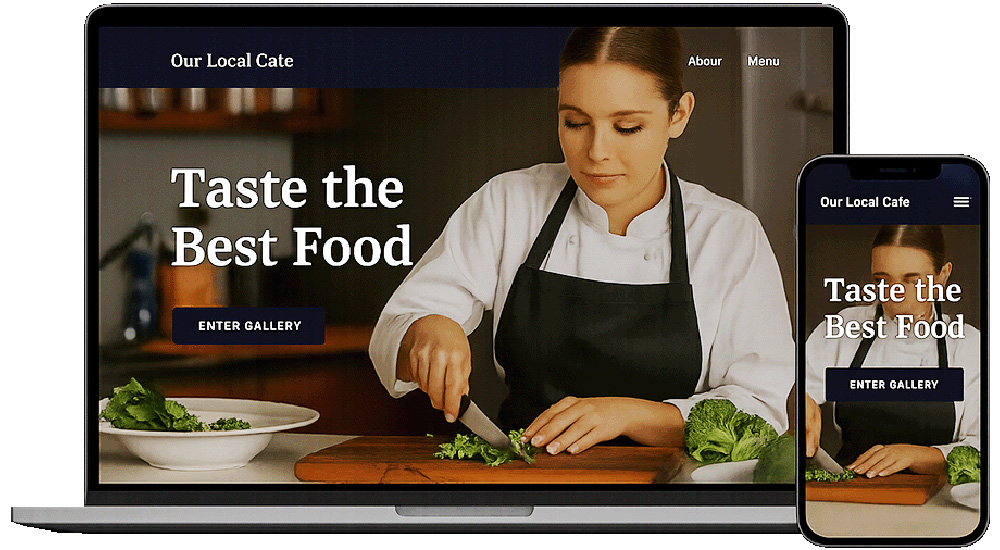
Education is crucial for Website Design
In today’s digital landscape, a website is more than just a virtual storefront—it’s an immersive experience that can educate, engage, and convert visitors into loyal customers. For businesses, especially those in competitive industries, the design of a website plays a pivotal role in capturing attention, reducing bounce rates, and fostering meaningful interactions.
A well-crafted website design presentation not only showcases your brand but also educates your visitors about website design, guiding them seamlessly through their journey while keeping them engaged.
In this blog post, we’ll explore modern website design trends that prioritize visitor retention and engagement, offering actionable insights to help your website stand out in 2025 and beyond.

Why Website Design Matters for Engagement and Retention
The importance of website design cannot be overstated. It serves as the first impression for many visitors; thus, a well-thought-out website design can lead to better engagement rates and lower bounce rates. Focusing on website design means investing in your brand’s online identity.
Before diving into specific design trends, let’s address why website design is critical for visitor engagement and reducing bounce rates. Bounce rate, the percentage of visitors who leave a site after viewing only one page, is a key metric for measuring user satisfaction.
According to recent studies, the average bounce rate across industries hovers between 40-60%, with lower rates indicating better engagement. A high bounce rate often signals that visitors aren’t finding what they need or are turned off by the user experience (UX).
Modern website design goes beyond aesthetics—it’s about creating an intuitive, informative, and enjoyable experience that encourages visitors to stay longer, explore more pages, and take action.
By incorporating educational elements into your design, you can guide users toward understanding your brand, products, or services, ultimately building trust and loyalty. Let’s explore the latest design trends that achieve these goals.
Website design is an essential element in creating a successful digital presence. It influences how visitors perceive your brand and can significantly impact their interactions and retention. Effective website design incorporates various elements that encourage engagement and convey valuable information.
1. Minimalist Design with Purposeful Micro-Interactions
Minimalism remains a cornerstone of modern web design in 2025, but it’s evolved beyond stark white backgrounds and simple fonts. Today’s minimalist designs are purposeful, using clean layouts to reduce cognitive overload while incorporating micro-interactions to enhance engagement.
Why It Works
Minimalist designs prioritize clarity, making it easier for visitors to navigate and absorb information. By reducing clutter, you allow key educational content—such as value propositions, tutorials, or FAQs—to stand out. Micro-interactions, like subtle animations when hovering over a button or a progress bar during form completion, add a layer of interactivity that keeps users engaged without overwhelming them.
How to Implement
- Simplify Navigation: Use a clean menu with no more than 5-7 items to guide users effortlessly. For example, a digital marketing agency’s website might feature menu items like “Services,” “Portfolio,” “Blog,” “About,” and “Contact.”
- Incorporate Micro-Interactions: Add hover effects to buttons, animated icons, or subtle transitions between sections. For instance, when a visitor hovers over a service card, it could slightly expand to reveal a brief description, encouraging further exploration.
- Whitespace as a Tool: Use generous whitespace to draw attention to educational content, such as a case study or a client testimonial, making it easier for visitors to focus.
Impact on Retention
A 2024 study by Nielsen Norman Group found that websites with minimalist designs and intuitive navigation saw 20% lower bounce rates compared to cluttered sites. Micro-interactions, when used sparingly, can increase time on page by up to 15%, as they create a sense of responsiveness and delight.
2. Immersive Storytelling Through Hero Sections
The hero section—the first thing visitors see when landing on your homepage—is your chance to make a lasting impression. Modern hero sections in 2025 combine bold visuals, concise messaging, and interactive elements to tell a story that educates and captivates.
In modern website design, storytelling plays a crucial role. Through compelling narratives and engaging visuals, website design can guide visitors through a brand’s journey, helping them to connect on a deeper level.
In modern website design, storytelling plays a crucial role. Through compelling narratives and engaging visuals, website design can guide visitors through a brand’s journey, helping them to connect on a deeper level.
Integrating educational elements into your website design helps to provide context and value, which can ultimately lead to increased visitor retention. This approach is particularly effective in teaching users about your services or products.
Utilizing an effective website design means continually assessing how your visitors interact with your content. Analyzing user behavior can provide insights on how to optimize your website design for better engagement and education.
Why It Works
A compelling hero section sets the tone for the entire website, immediately communicating your brand’s value and purpose. By weaving educational content into the hero section, you can address visitor pain points and showcase solutions, reducing the likelihood of them bouncing.
How to Implement
- Use High-Quality Visuals: Incorporate videos or dynamic imagery that reflect your brand. For a digital marketing agency, a short looping video showing a website transformation can visually educate visitors about your expertise.
- Craft a Clear Value Proposition: Use concise, action-oriented copy like “Transform Your Online Presence with Conversion-Driven Design” to communicate benefits upfront.
- Add Interactive Elements: Include a subtle call-to-action (CTA) button with a micro-animation or a scroll-triggered effect that reveals more content, encouraging users to explore further.
Impact on Retention
Data from HubSpot indicates that websites with video-based hero sections can reduce bounce rates by up to 34% and increase time on page by 2-3 minutes. By educating visitors about your services through storytelling, you create an emotional connection that keeps them engaged.
3. Personalized and Dynamic Content
Personalization is no longer a luxury—it’s an expectation. In 2025, websites that adapt content based on user behavior, location, or preferences see significantly higher engagement and lower bounce rates. Dynamic content educates visitors by delivering relevant information tailored to their needs.
Why It Works
Personalized content makes visitors feel understood, increasing their likelihood of staying on the site. For example, a visitor from the e-commerce industry might see case studies related to online stores, while a B2B visitor sees content tailored to corporate solutions.
How to Implement
- Leverage AI and Analytics: Use tools like Google Analytics or AI-driven platforms to track user behavior and serve personalized content. For instance, display different CTAs based on whether a visitor is new or returning.
- Geo-Targeting: Customize content based on location. A digital marketing agency could highlight local SEO services for visitors in specific regions.
- Dynamic CTAs: Use smart CTAs that change based on user actions. For example, a visitor who spends time on your portfolio page might see a CTA like “See How We Boosted Conversions by 200%.”
Impact on Retention
According to a 2024 report by Adobe, personalized websites see 25% higher engagement rates and 18% lower bounce rates. By educating visitors with relevant content, you build trust and encourage deeper exploration.
4. Interactive and Educational Content Formats
Interactive content, such as quizzes, calculators, or infographics, is a powerful way to educate visitors while keeping them engaged. In 2025, websites that incorporate these elements see higher dwell times and lower bounce rates.
Why It Works
Interactive content invites participation, turning passive visitors into active users. By embedding educational elements—like a quiz that helps visitors assess their website’s performance—you provide value while keeping them on the site longer.
How to Implement
As you look to improve your website design, remember that accessibility is key. A website design that is accessible to all users broadens your audience and enhances overall user satisfaction.
- Quizzes and Assessments: Create a quiz titled “Is Your Website Optimized for Conversions?” to engage visitors and educate them about design best practices.
- Calculators: Offer a tool that estimates the ROI of a website redesign, providing actionable insights and encouraging contact.
- Interactive Infographics: Design infographics that users can click through to learn about design trends or case studies, making the experience both informative and engaging.
With the rise of mobile traffic, ensuring your website design is mobile-friendly is essential. A responsive website design allows for a seamless experience across various devices, making it easier for users to engage with your content.
Impact on Retention
A 2024 study by Content Marketing Institute found that interactive content generates 2x more engagement than static content, with users spending an average of 8-10 minutes on pages with interactive elements. This extended dwell time directly correlates with lower bounce rates.
5. Mobile-First Design with Progressive Web App (PWA) Features
With over 60% of web traffic coming from mobile devices in 2025, a mobile-first design is non-negotiable. Progressive Web Apps (PWAs) take this a step further, offering app-like experiences that boost engagement and retention.
Why It Works
Finally, remember that your website design should evolve with user needs and industry trends. Staying updated on best practices in website design ensures your site remains relevant and engaging.
Mobile-first designs ensure accessibility and usability, while PWAs provide fast load times, offline capabilities, and push notifications. These features educate users by delivering content seamlessly, even in low-connectivity scenarios, reducing frustration-driven bounces.
How to Implement
- Optimize for Mobile: Use responsive design with touch-friendly buttons, legible fonts (16px minimum), and fast-loading images.
- Incorporate PWA Features: Enable offline access to key pages, like a blog or portfolio, and use push notifications to re-engage visitors with educational content like “5 Tips to Improve Your Website’s UX.”
- Streamline Load Times: Compress images and use lazy loading to achieve load times under 2 seconds, as Google data shows that 53% of mobile users abandon sites that take longer than 3 seconds to load.
Impact on Retention
Websites optimized for mobile with PWA features see up to 36% lower bounce rates and 50% higher engagement, according to a 2024 Google study. By prioritizing mobile usability, you ensure visitors stay engaged regardless of device.
6. Accessibility as an Engagement Driver
Accessibility isn’t just about compliance—it’s a design trend that enhances engagement for all users. In 2025, websites that prioritize accessibility see improved retention as they cater to diverse audiences, including those with disabilities.
Why It Works
Accessible designs make content easier to consume, reducing barriers for users with visual, auditory, or motor impairments. By educating all visitors inclusively, you create a welcoming experience that encourages longer visits.
How to Implement
- Follow WCAG Guidelines: Ensure proper color contrast (at least 4.5:1 for text), alt text for images, and keyboard navigability.
- Use Readable Fonts: Opt for sans-serif fonts like Roboto or Open Sans for clarity, especially for educational content like blog posts or tutorials.
- Incorporate Voice Navigation: Allow users to navigate via voice commands, making the site more interactive and accessible.
Impact on Retention
A 2024 Forrester report found that accessible websites improve user satisfaction by 24% and reduce bounce rates by 15%, as they cater to a broader audience and enhance usability.
7. Gamification for Engagement
Gamification—using game-like elements such as progress bars, badges, or leaderboards—has surged in popularity for engaging website visitors. In 2025, it’s a powerful tool for educating users while making the experience fun.
Why It Works
Gamification taps into users’ desire for achievement and reward, encouraging them to explore more content. For example, a progress bar showing how much of a guide a user has read can motivate them to complete it, reducing bounce rates.
How to Implement
- Progress Tracking: Add a visual indicator for multi-step processes, like a website audit checklist, to keep users engaged.
- Rewards for Actions: Offer downloadable resources (e.g., a free UX checklist) after users complete an educational quiz or form.
- Interactive Challenges: Create a “Design Challenge” where users can test their knowledge of web design trends, rewarding them with insights or discounts.
Impact on Retention
Studies show that gamified websites can increase time on site by 30% and reduce bounce rates by 20%, as users are motivated to stay and interact.
8. Video and Animation for Visual Learning
Video content continues to dominate in 2025, with animations adding a layer of interactivity. These elements educate visitors visually, making complex concepts more digestible and engaging.
Why It Works
Overall, effective website design is a blend of creativity and usability. It should not only attract visitors but also facilitate their educational journey through your content. Prioritizing these aspects in your website design strategy can lead to lasting success.
Videos and animations capture attention quickly and convey information in an engaging format. For a digital marketing agency, a video explaining the impact of UX design on conversions can educate while keeping visitors hooked.
How to Implement
- Explainer Videos: Embed short (1-2 minute) videos on service pages to explain complex offerings, like SEO or responsive design.
- Animated Infographics: Use animations to highlight key stats, such as “75% of users judge a brand’s credibility based on website design.”
- Background Animations: Incorporate subtle background animations in hero sections to draw attention without distracting from content.
Impact on Retention
Websites with embedded videos see 80% higher engagement rates and 35% lower bounce rates, according to a 2024 Wistia study. Visual learning keeps visitors on the page longer.
9. Sticky Navigation and Contextual CTAs
Sticky navigation bars and contextual CTAs ensure that users always have access to key actions, reducing friction and encouraging exploration. These elements educate by guiding users to relevant content at the right time.
Why It Works
Sticky navigation keeps essential links visible, while contextual CTAs adapt to user behavior, making it easier to find educational content like case studies or blog posts.
How to Implement
- Sticky Menus: Keep the navigation bar fixed at the top of the page, with clear labels like “Learn More” or “See Our Work.”
- Contextual CTAs: Place CTAs like “Discover Our Design Process” on portfolio pages or “Read the Full Case Study” on success story snippets.
- Scroll-Triggered Popups: Use non-intrusive popups that appear after a user scrolls 50% of a page, offering a free resource like a design checklist.
Impact on Retention
Websites with sticky navigation and strategic CTAs see 22% lower bounce rates and 15% higher page views per session, according to a 2024 UXPin study.
Conclusion: Design as an Educational Tool
Your website’s design is a powerful tool for educating visitors, reducing bounce rates, and driving engagement.
By embracing minimalist layouts, immersive hero sections, personalized content, interactive formats, mobile-first principles, accessibility, gamification, video, and strategic navigation, you create an experience that informs and captivates.
In 2025, the most successful websites are those that prioritize user needs, deliver value through education, and make every interaction seamless and enjoyable.
For a digital marketing agency specializing in website design, these trends offer an opportunity to showcase expertise while building trust with visitors.
By implementing these strategies, you can transform your website into an educational hub that not only attracts visitors but keeps them coming back for more.
Ready to elevate your website’s design? Let us know! Start by auditing your current site and incorporating these modern trends to create a presentation that educates, engages, and converts.